
Conditions Treated
Amherst Physical Therapy Services
Amherst Physical Therapy works with patients of all ages to treat a variety of rehab, chronic pain, and soft tissue issues.
Physical Therapy for Post-Operative Orthopedic Rehabilitation
Our physical therapy treatment after your surgery includes a comprehensive, tailored program aimed at managing your post operative symptoms as well as focusing on a long-term recovery plan. Initially, we will introduce exercises to help restore your range of motion. Set an appointment for post-operative orthopedic rehabilitation.

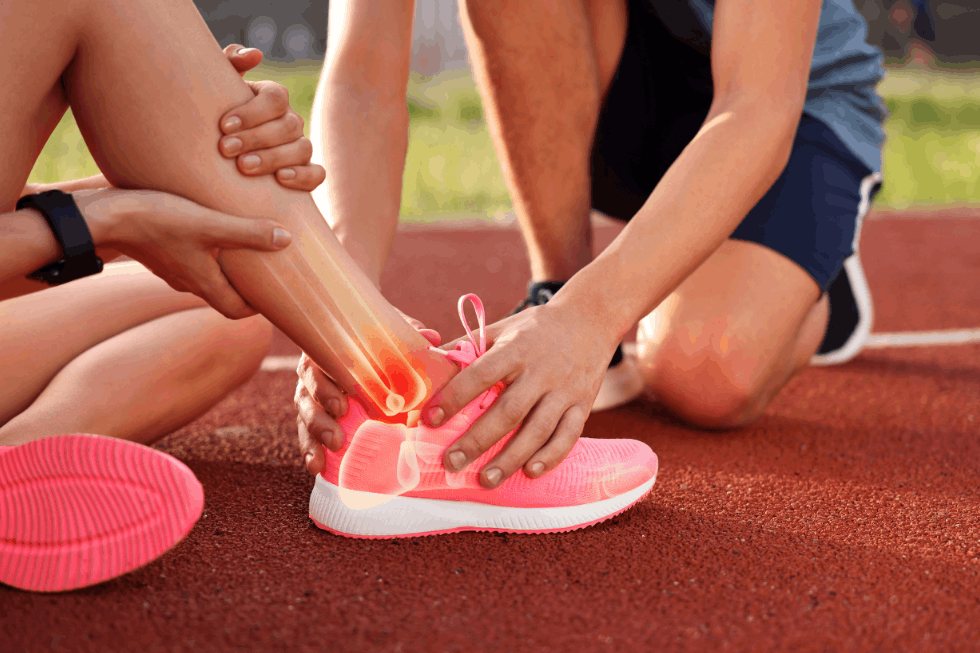
Physical Therapy for Sports-Related Injuries
Sports-related injuries affect athletes of all ages and Amherst Physical Therapy commonly treats a range of orthopedic and musculoskeletal injuries. Your sports-related injury therapy may be aimed at recovery after surgery or non-surgical treatment. We commonly treat various joint injuries, ligament sprains, bursitis, and tendonitis.
Physical Therapy for Youth Athletic Injuries
More than 5 million youths in high school or younger receive medical treatment each year. We commonly treat youth injuries ranging from arm soreness in baseball players to ankle sprains or more serious ligament damage such as anterior cruciate ligament (ACL) injuries. Youth sports injuries should be taken seriously and addressed quickly before they progress into more serious conditions or create long-term damage. Contact us about physical therapy for youth athletic injuries.


Physical Therapy for Arthritis
Arthritis is a common ailment where inflamed joints cause pain, swelling and limited movement. Physical therapy is one avenue to treating and managing the pain and discomfort caused by arthritis. We provide personalized programs including exercise, posture, and proper mechanics to help you manage arthritis. Schedule an appointment to discuss your arthritis.
Physical Therapy for Neck & Back Pain
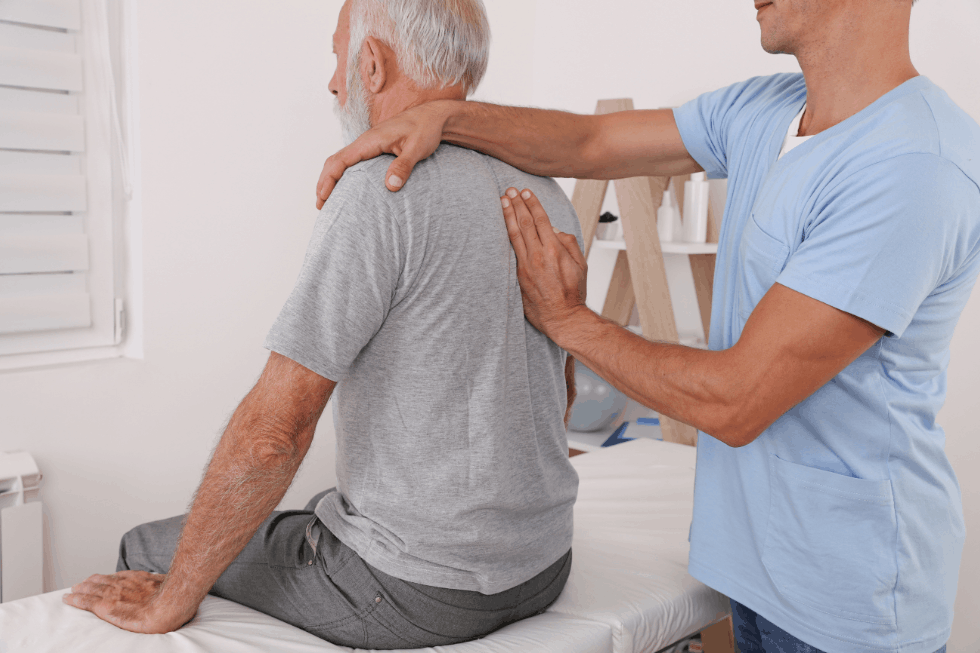
When treating neck and back pain, we try to determine the cause of your discomfort, and then we look at two areas of action: stretching and exercise; and adjusting your daily posture to improve bad habits that can lead to chronic neck and back pain. Learn more about how physical therapy can help alleviate your neck and back pain.
Physical Therapy for Tendonitis
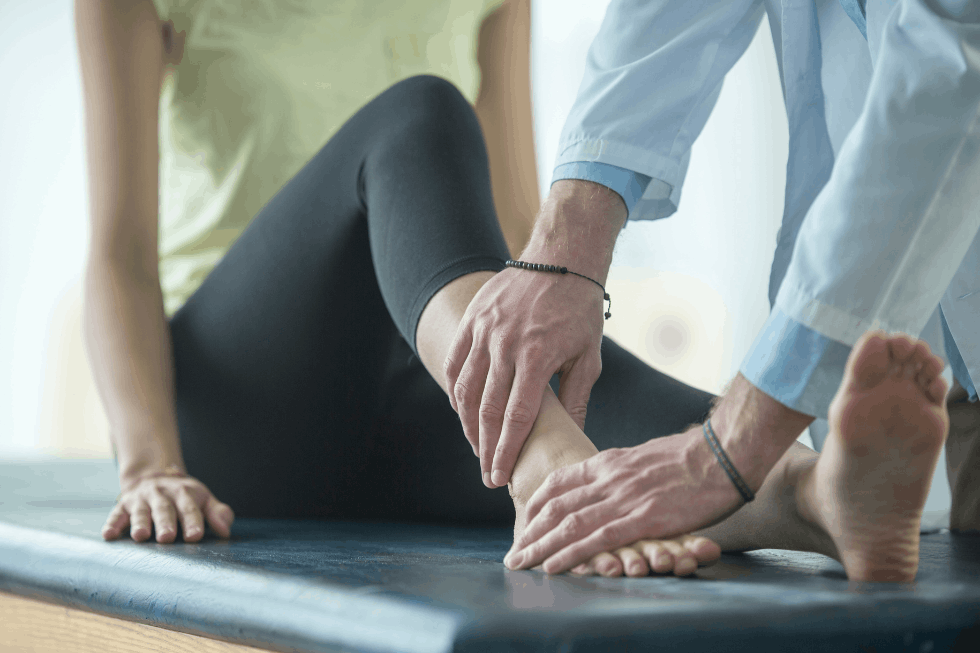
Tendonitis (or tendinitis) can be caused by a specific injury or by repetitive muscle force. It normally refers to inflammation of an acute area but can be used to diagnose a multitude of injuries or discomfort of tendons. Common terms for tendonitis include tennis elbow, pitcher’s shoulder, golfer’s elbow, swimmer’s shoulder or jumper’s knee. Contact us to learn more about our physical therapy for tendonitis.
Physical Therapy for Soft Tissue Injuries
We commonly encounter soft tissue injuries in the leg muscles but we treat all areas for soft tissue injuries. Our treatment for soft tissue injuries includes joint mobilization therapy, range of motion exercises, and strength training. Schedule an appointment for physical therapy for a soft tissue injury.
How Physical Therapy Can Help Headaches
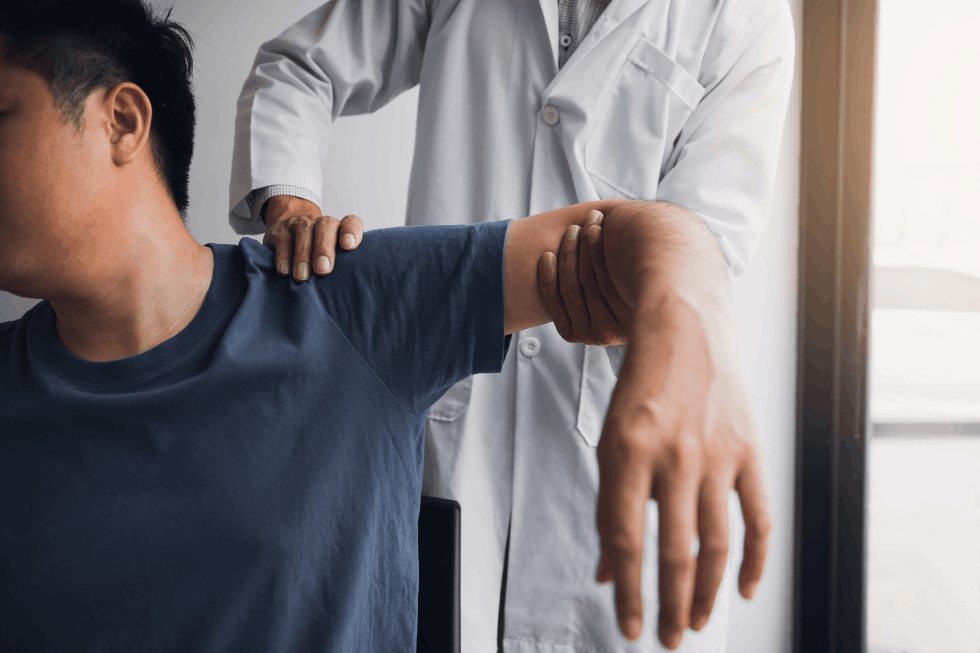
Anyone who has suffered from chronic headaches knows that pinpointing the cause is the first step toward finding relief. Physical therapy may help with headaches related to muscle tension, poor posture, limited neck mobility, and other musculoskeletal factors.
Contact our team to find out if physical therapy may be right for your headaches.
Common Questions
Do I need a referral to start physical therapy?
New Hampshire allows you to be evaluated and treated by a licensed physical therapist without a physician referral. Some insurance plans still require one for coverage call us and we'll check your plan for you.
What insurance do you accept?
We accept most major insurances. Call (603) 672-5125 and we'll verify your benefits with your insurance company before you schedule.
How long is my first appointment?
Your initial evaluation takes approximately one hour. Follow-up visits run from 45 minutes to an hour, depending on where you are in your recovery.
What should I wear?
Wear something comfortable and loose enough that we can access the area causing pain. For knee pain, for example, bring shorts or pants that pull up over the knee.
Have a question we didn't cover?