
Corrective Exercise in Amherst, NH
Individualized exercise is one of the most effective tools in physical therapy. At Amherst Physical Therapy, corrective exercise is prescribed around your evaluation findings to restore motion, rebuild strength, and address the movement patterns behind your pain.
What Is Corrective Exercise in Physical Therapy?
Corrective exercise is individualized therapeutic exercise prescribed by a licensed physical therapist to restore range of motion, improve strength and mobility, and support long-term recovery. Unlike general fitness training, corrective exercise begins with a clinical evaluation that identifies the specific limitations, weaknesses, or movement faults contributing to your symptoms. Treatment may also address posture and proper mechanics when these factors contribute to pain or limited movement. Your program is adjusted throughout your plan of care as your strength and mobility improve.
Get Started With Amherst Physical Therapy:
Conditions Treated
Amherst Physical Therapy treats a variety of orthopedic, musculoskeletal, chronic pain, and soft tissue issues in patients of all ages.
This includes post-operative rehabilitation, sports-related and youth athletic injuries, arthritis, neck and back pain, tendonitis, soft tissue injuries, and headaches.

Corrective Exercise
Individualized exercise may be incorporated into treatment to help restore range of motion, improve strength and mobility, and support long-term recovery.
Treatment may also address posture and proper mechanics when these factors contribute to pain or limited movement.

Manual & Specialized Treatments
Amherst Physical Therapy offers advanced manual physical therapy techniques including stretching, massage, strengthening exercises, and newer techniques such as Trigger Point Dry Needling and the Graston Technique™.

How We Build Your Exercise Program
Every corrective exercise program at Amherst Physical Therapy starts with a comprehensive orthopedic evaluation. Your physical therapist assesses your range of motion, strength, and movement quality, then discusses what you need to return to — a sport, a job, or simply comfortable daily activity. From there, exercises are selected and progressed based on how your body responds, not on a fixed protocol.
Range of Motion and Flexibility
Restoring motion is often the first priority, particularly after surgery or a period of immobilization. Early exercises focus on regaining safe, pain-free movement at the affected joint before strength work begins. Stretching is commonly used alongside these exercises when tissue restriction is limiting your progress.
Strength and Stability Training
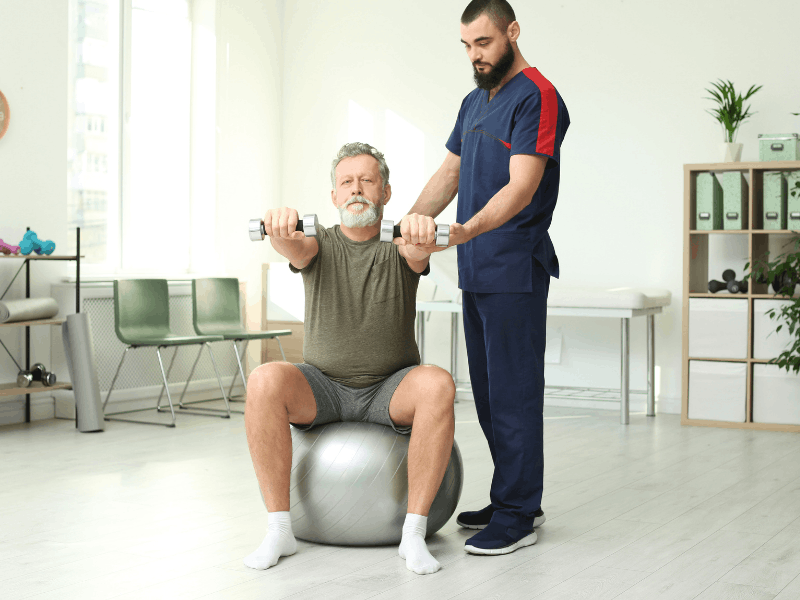
Once motion returns, progressive strengthening rebuilds the muscle support around the injured area. We commonly use strength training for soft tissue injuries, post-operative recovery, and joint conditions where weakness leaves you vulnerable to reinjury. Exercises advance in difficulty as you demonstrate control at each stage.
Posture and Body Mechanics
Many cases of neck pain, back pain, and joint discomfort are driven or sustained by daily posture and movement habits. When your evaluation points to these factors, treatment includes adjusting how you sit, stand, lift, and move through your regular routine. Correcting these habits helps protect the gains you make in the clinic.
Home Exercise Programs
Your therapist will prescribe exercises to perform between visits and after discharge. Consistency at home is what carries short-term progress into lasting recovery, so programs are kept realistic and are demonstrated in the clinic before you're asked to do them on your own.
Conditions Corrective Exercise Can Help
Corrective exercise is incorporated into treatment for a wide range of orthopedic and musculoskeletal conditions, including:
- Post-operative orthopedic rehabilitation
- Sports-related injuries and youth athletic injuries
- Neck and back pain
- Arthritis and joint stiffness
- Soft tissue injuries and muscle strains
- Tendonitis and overuse injuries
Corrective exercise is often paired with hands-on treatment for faster progress.

What Our Patients Are Saying
We're proud to help members of our community get back to the activities they love.


Common Questions
Do I need a referral to start physical therapy?
New Hampshire allows you to be evaluated and treated by a licensed physical therapist without a physician referral. Some insurance plans still require one for coverage call us and we'll check your plan for you.
What insurance do you accept?
We accept most major insurances. Call (603) 672-5125 and we'll verify your benefits with your insurance company before you schedule.
How long is my first appointment?
Your initial evaluation takes approximately one hour. Follow-up visits run from 45 minutes to an hour, depending on where you are in your recovery.
What should I wear?
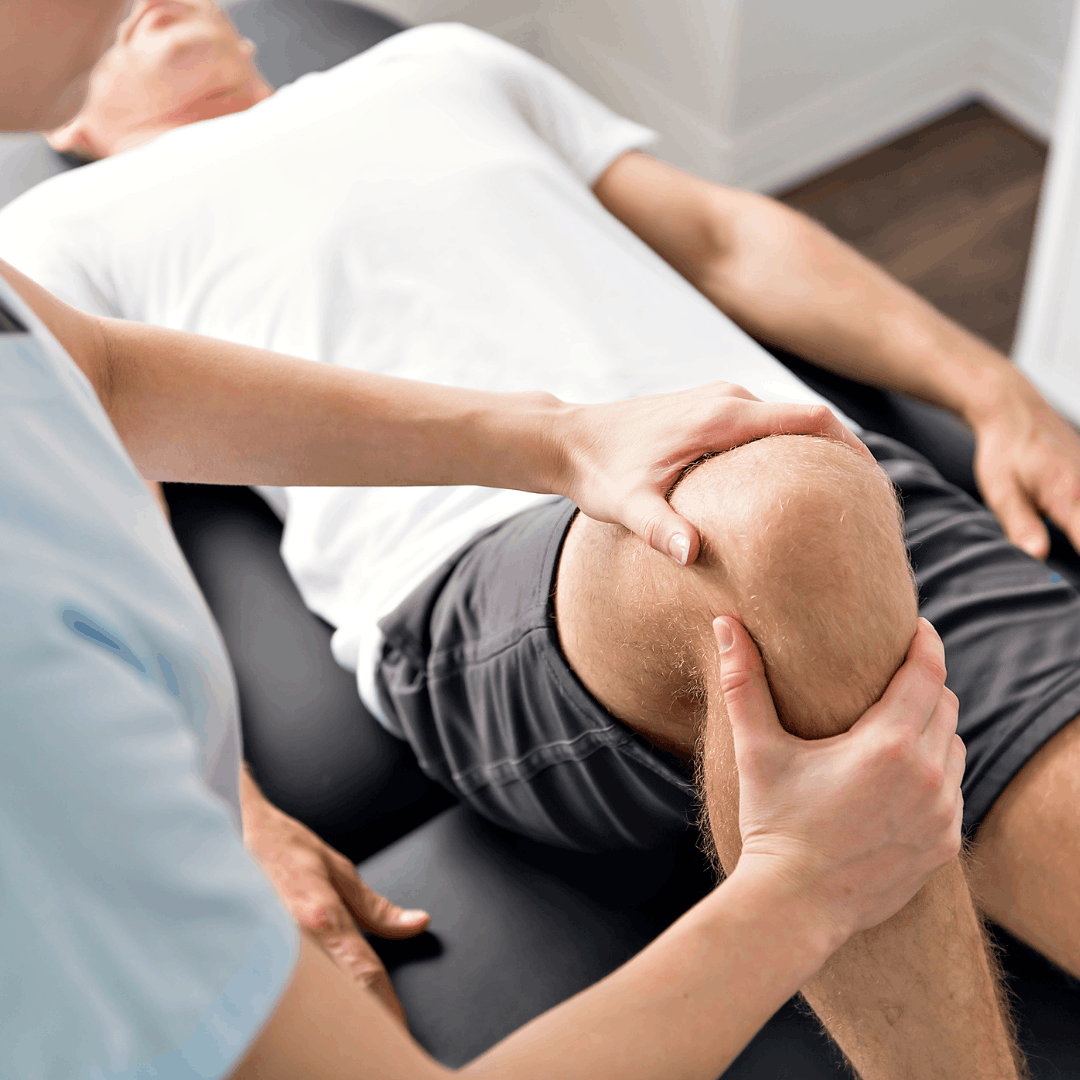
Wear something comfortable and loose enough that we can access the area causing pain. For knee pain, for example, bring shorts or pants that pull up over the knee.
Have a question we didn't cover?
Get Back to Doing What You Love
Take the next step toward moving better, feeling stronger, and getting back to the activities that matter to you.